The Mediterranean Sea
Ancient Myths About the Oceans
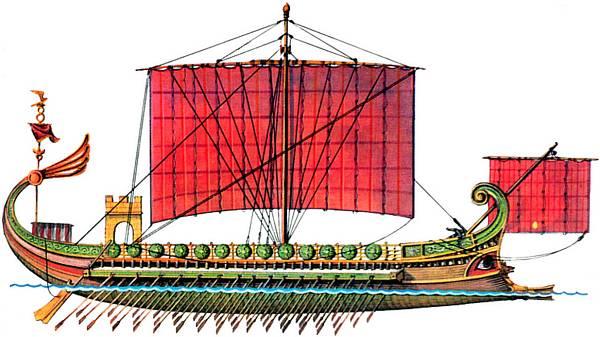
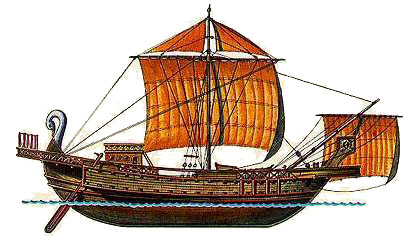
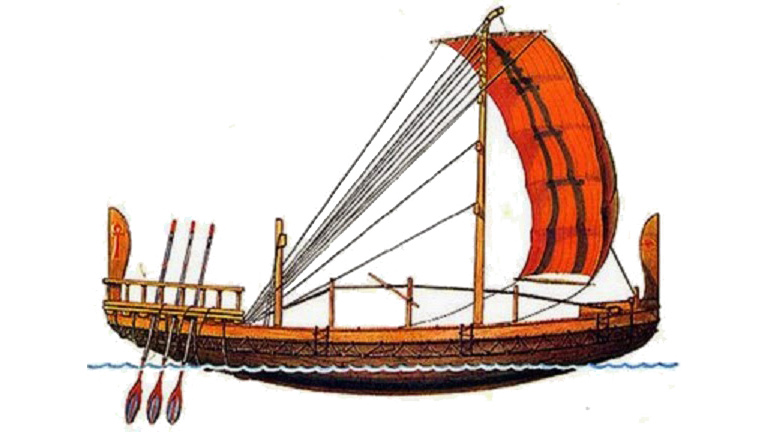
The people who lived around the Mediterranean Sea began exploring this nearly landlocked sea several thousand years ago. Sailors from Egypt, Phoenicia and Crete mapped the regional coastlines to establish some of the earliest trading routes. Early Mediterranean civilizations, including the Greeks, have passed down many myths that include gods and goddesses who ruled over nature, such as Poseiden with his triton. Many Mediterranean legends, such as Jason and the Argonauts, also involved adventures on large and dangerous seas.
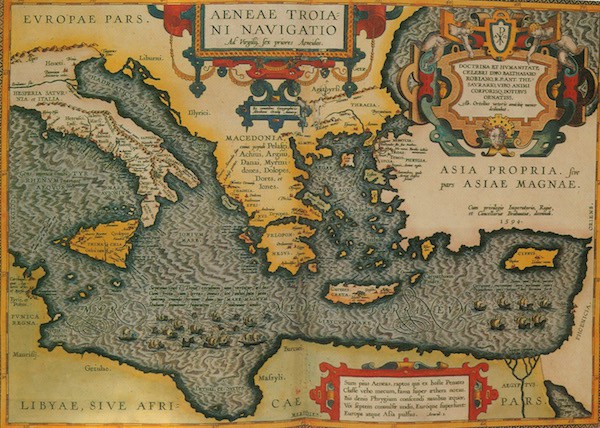
Many of our earliest maps of the oceans and coastlines come from this region. These early mapmakers, or cartographers, were probably Mediterranean traders who made the maps to help them get back and forth to different cities on the Mediterranean coast.
About 2,900 years ago, the Greeks began to venture outside the Mediterranean, past the Straits of Gibraltar at the western end of the Mediterranean Sea. This narrow channel separates Europe from Africa, and the Mediterranean from the Atlantic Ocean. Just outside of the Straits of Gibraltar, early Greek sailors noticed a strong current running from north to south. Because the sailors had only seen currents in rivers, they thought this great body of water on the other side of the Straits was a very big river. The Greek word for river was okeano, which is the root of our word for ocean.